How to decide if an AI receptionist is right for your small business
How an AI receptionist for a small business handles missed calls, where it falls short, and the questions to ask any supplier before you sign up.
AI & Automation · 8 October 2026 · 6 min read
Key takeaways
- Count your own missed calls for a week and multiply by your conversion rate and job value before you look at any product.
- An AI receptionist answers, books into your calendar and logs the call, which makes it a better fit for routine bookings than for long sales conversations.
- Decide in advance which calls must go straight to a human, such as emergencies, complaints and large quotes.
- Trial it on out-of-hours and missed calls only, review every call for two weeks, and avoid long contracts until it has proved itself.
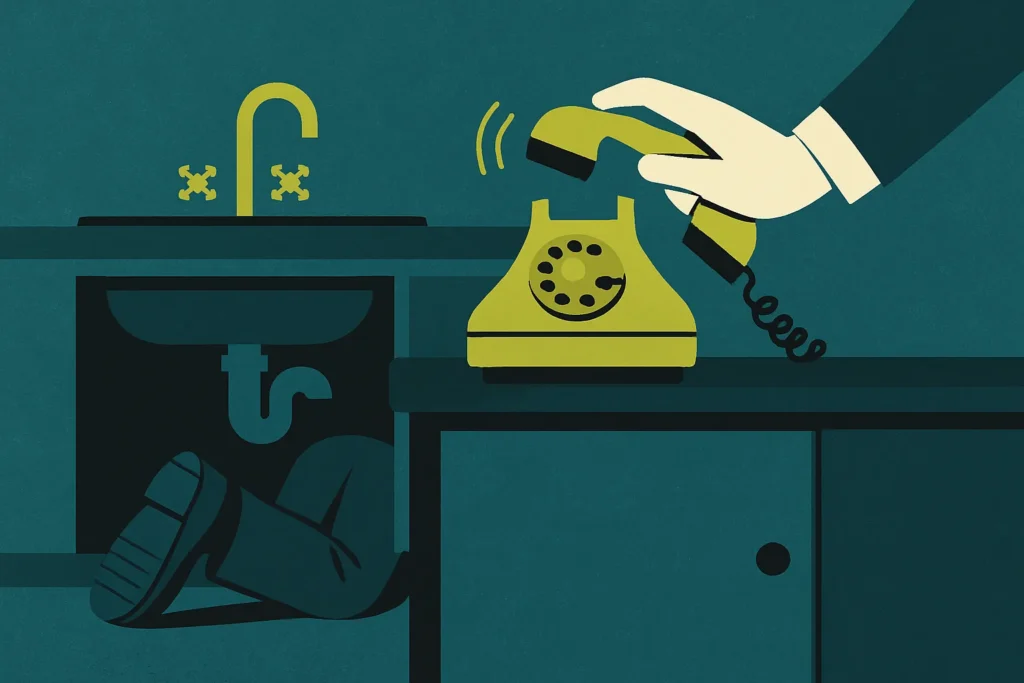
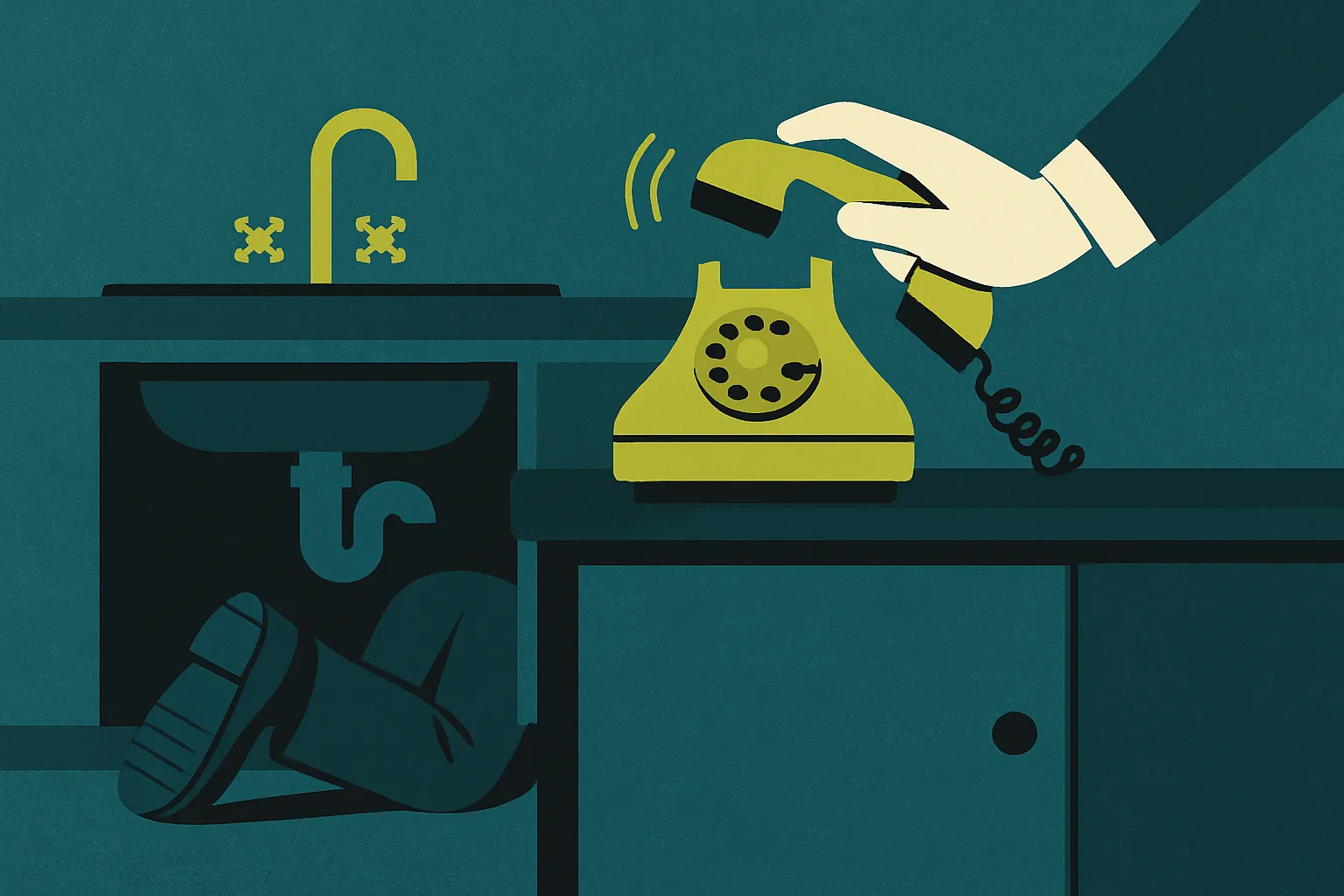
You are under a sink, in a client meeting or finally eating lunch, and the phone rings. By the time you call back, the customer has rung someone else. That is the problem an AI receptionist for a small business is meant to solve, and it is easy to oversell. TechRadar Pro’s report on BT Business’s AI receptionist says BT Business estimates that 67% of UK SMBs miss at least one call every day that might cost them business. Whether software is the right fix for you depends on what those calls are worth and what happens when the software gets one wrong.
Work out what your missed calls cost first
A national estimate tells you missed calls are common. It does not tell you what yours are worth. Before you look at any product, spend a week counting. Check your phone records for unanswered calls, note which callers rang back or left a message, and ask a few new customers whether they tried anyone else first.
Then do the sum. Take the number of calls you miss in a month, the share that would have become paying work, and the average value of that work. Multiply the three. If the answer is small, a clear voicemail greeting and an automatic text to missed callers may be enough. If the figure makes you wince, an AI receptionist deserves a proper look.
The timing is reasonable. The Office for National Statistics reports in its analysis of artificial intelligence in UK businesses that self-reported use of AI in firms with 10 or more employees rose from around 12% to around 35% between late 2023 and mid-2026. A growing share of your competitors are at least experimenting. That is a reason to look, not a reason to buy.
What an AI receptionist for a small business actually does
Think of it as three jobs done in one call: answering, booking and recording. The system picks up, asks the caller what they need, and tries to resolve it. If it is a booking, it puts the appointment in your diary. Afterwards, you get a record of what was said.
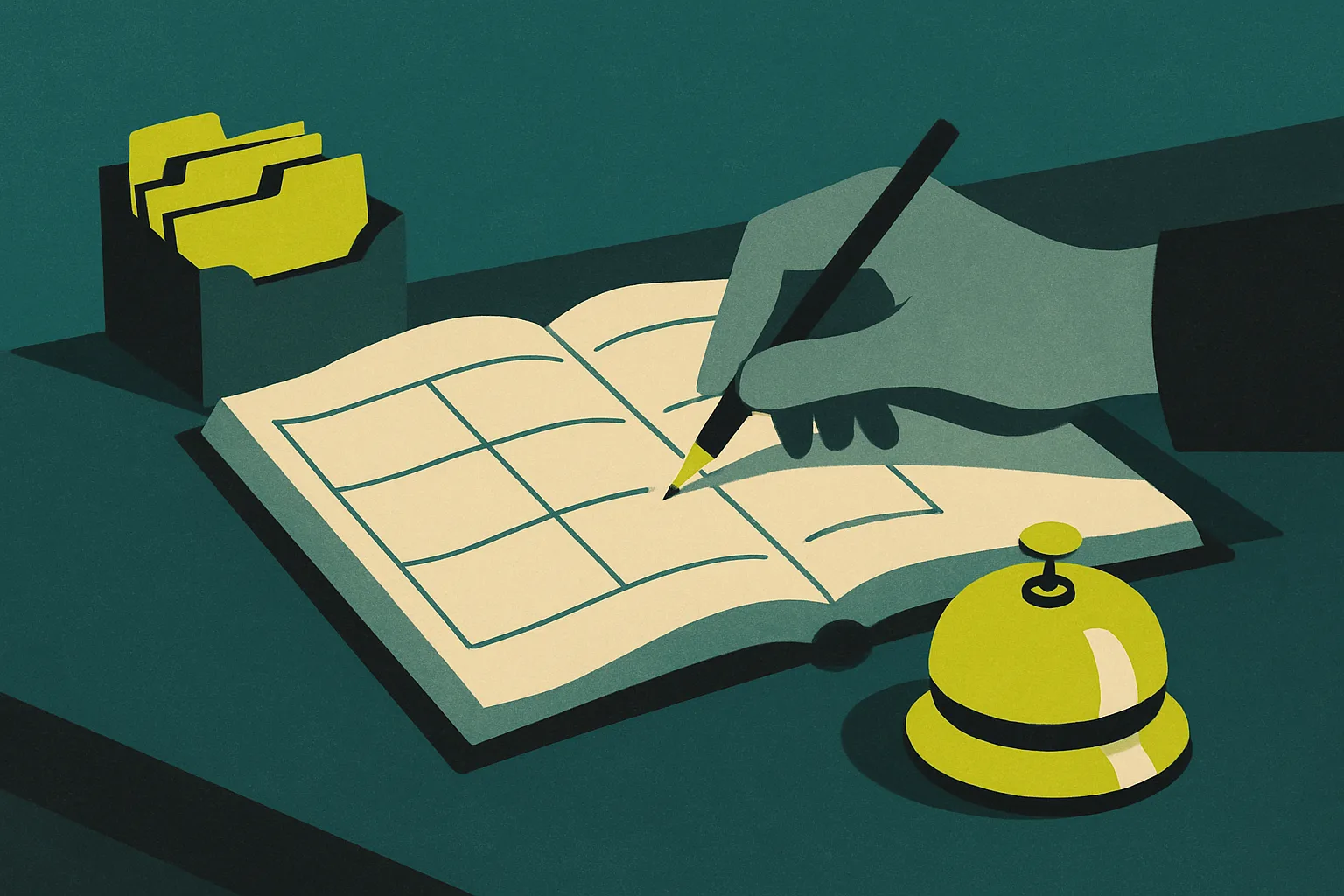
BT Business’s AI Receptionist, as described by TechRadar Pro, shows the typical shape of the product. It operates 24/7, schedules appointments, works with Outlook and Google Calendar, and logs conversations so you can see what customers are asking for. That is a different proposition from voicemail. Voicemail waits for you. This responds at once, at 7pm on a Sunday as readily as at 10am on a Tuesday.
It suits businesses where most calls follow a pattern: salons, clinics, tradespeople, repair shops and anyone whose phone is mostly “are you free on Thursday?” and “how much for a boiler service?”. It suits them less well if your calls are long, consultative sales conversations where the relationship is the product.
Do not expect a transformation in customer opinion. A 2025 KPMG report, quoted by TechRadar Pro, found that UK brands using AI in customer communications saw a 1.4 percentage-point increase in customer satisfaction. That is a gain worth having, and a sensible size to plan around. The bigger win is the call you would otherwise have lost.
Where it goes wrong, and what that costs you
The risks sit in the calls that do not fit the script. A burst pipe, an upset regular or a caller with a strong accent on a bad line will test any system. The failure to worry about is not silence. It is a confident, wrong answer: a misheard address, a double-booked slot or a cheerful reply to someone who is angry.
Decide before you start which calls a human must take. Most firms will want urgent jobs, complaints and anything involving a large quote routed straight to a person, by text alert or call transfer. Ask any supplier how that handover works and what the caller hears while it happens.
Do not bank big time savings either. A Dell Technologies study, reported by ITPro, found that around 7% of UK small businesses using AI, which it calls “AI frontrunners”, saved six or more hours a week. Those are the front of the pack. Budget for a smaller gain until your own numbers show otherwise.
Two other checks matter before you sign:
- Customer data. Calls contain names, numbers and addresses, and you remain responsible for them. Ask where recordings and transcripts are stored, how long they are kept, and whether callers are told they are speaking to an AI.
- The real price. Quotes vary by supplier. Ask for the total at your own call volume, including any charges per call or per minute, setup fees, extras for calendar integration, and how long the contract runs. A low headline monthly fee can look very different once a busy month arrives.
How to test one before you commit
Run a small, cheap trial and judge it on your own calls, not the supplier’s demo.
Start with one type of call, usually bookings, or just the calls you miss: evenings, weekends and the times you are with customers. Leave everything else with your team. This limits the damage if the system stumbles and gives you a clean comparison.
For the first fortnight, listen to or read every call. You are looking for wrong details, awkward phrasing and moments where a caller gave up. Fix the script, the opening hours and the handover rules as you go, because most early problems come from how the system was set up, not from the technology itself.
After a month, go back to your original sum. How many calls were answered that would have been missed? How many became bookings? How many callers complained or phoned back to check? If bookings rose and complaints stayed flat, widen the remit. If you spent more time correcting errors than you saved, stop, and ask the supplier what it will change before you pay for another month.
Finally, check how easily you can leave. A monthly rolling contract with an export of your call records is worth more than a discount for a long commitment. The point of the trial is to find out cheaply, so keep it cheap to end.
Common questions
How much does an AI receptionist cost for a small business?
Pricing varies by supplier, so ask for a total rather than a headline fee. Expect a monthly charge, and check whether calls, minutes, setup or calendar integration cost extra. Ask what you would pay in your busiest month and how long the contract runs. A rolling monthly plan is safer while you are still testing.
Can an AI receptionist book appointments into my calendar?
Yes, some can. BT Business’s AI Receptionist schedules appointments and integrates with Outlook and Google Calendar. Before you commit, confirm that any product works with the diary system you actually use, and test that bookings appear correctly and cannot double-book you.
Is an AI receptionist GDPR compliant?
It depends on the supplier and how you set it up, and you remain responsible for your customers’ data. Ask where call recordings and transcripts are stored, how long they are kept, who can access them, and whether callers are told they are speaking to an AI. Get the answers in writing.
Do this next
- Log every missed call for the next seven days, noting the time and whether the caller rang back.
- Calculate monthly missed calls multiplied by conversion rate and average job value.
- Write a list of call types that must always reach a human and how you want to be alerted.
- Ask two suppliers for the total monthly cost at your call volume, plus data hosting, retention and contract exit terms.
- Set up a one-month trial on out-of-hours calls only and review every call in the first fortnight.
Sources
- TechRadar Pro: BT Business wants to help UK SMBs get on board with AI, including a new AI receptionist
- TechRadar Pro: AI in customer communication, the opportunities and risks SMBs can’t ignore
- ITPro: Flexibility is a huge advantage for small businesses adopting AI
- Office for National Statistics: Artificial intelligence in UK businesses
Related reading
How Luminary Solutions approaches this
At Luminary Solutions, we design and build AI and automation systems around how your business actually runs: the workflows, the edge cases and the people who use them. If you want automation that saves real hours rather than adding another tool, let’s talk.
Luminary Media explores AI, systems and strategy shaping modern businesses. Written for founders, operators and decision-makers.